
Beta‑Glucan: The skincare ingredient that actually deserves the hype
The ingredient with a decades-long track record and a research portfolio that is simply too good to ignore.
Introduced to the cosmetics market by Mibelle Biochemistry in 1994 and consistently ranked among the top active ingredients ever since, beta-glucan is currently experiencing a resurgence in popularity.
Beta‑glucan is a naturally occurring polysaccharide found in oats, yeast, barley, and certain mushrooms. It’s been used for decades in medical and wound‑healing research. As interest in barrier repair and inflammation‑modulating actives grows, beta‑glucan is receiving renewed attention - not as a trend ingredient, but as a molecule supported by reproducible, peer‑reviewed research.
Here’s what makes it so impressive:
- Humectant: Draws moisture deep into the skin and keeps it there
- Anti-inflammatory: Reduces redness and irritation at the cellular level
- Antioxidant: Protects against free radical damage
- Barrier repair: Supports proteins essential to a strong, healthy skin barrier
- Wound healing: Speeds up skin regeneration
- Immune stimulating: Enhances the skin’s natural defense mechanisms
Anti‑allergic activity: Reduces sensitivity reactions
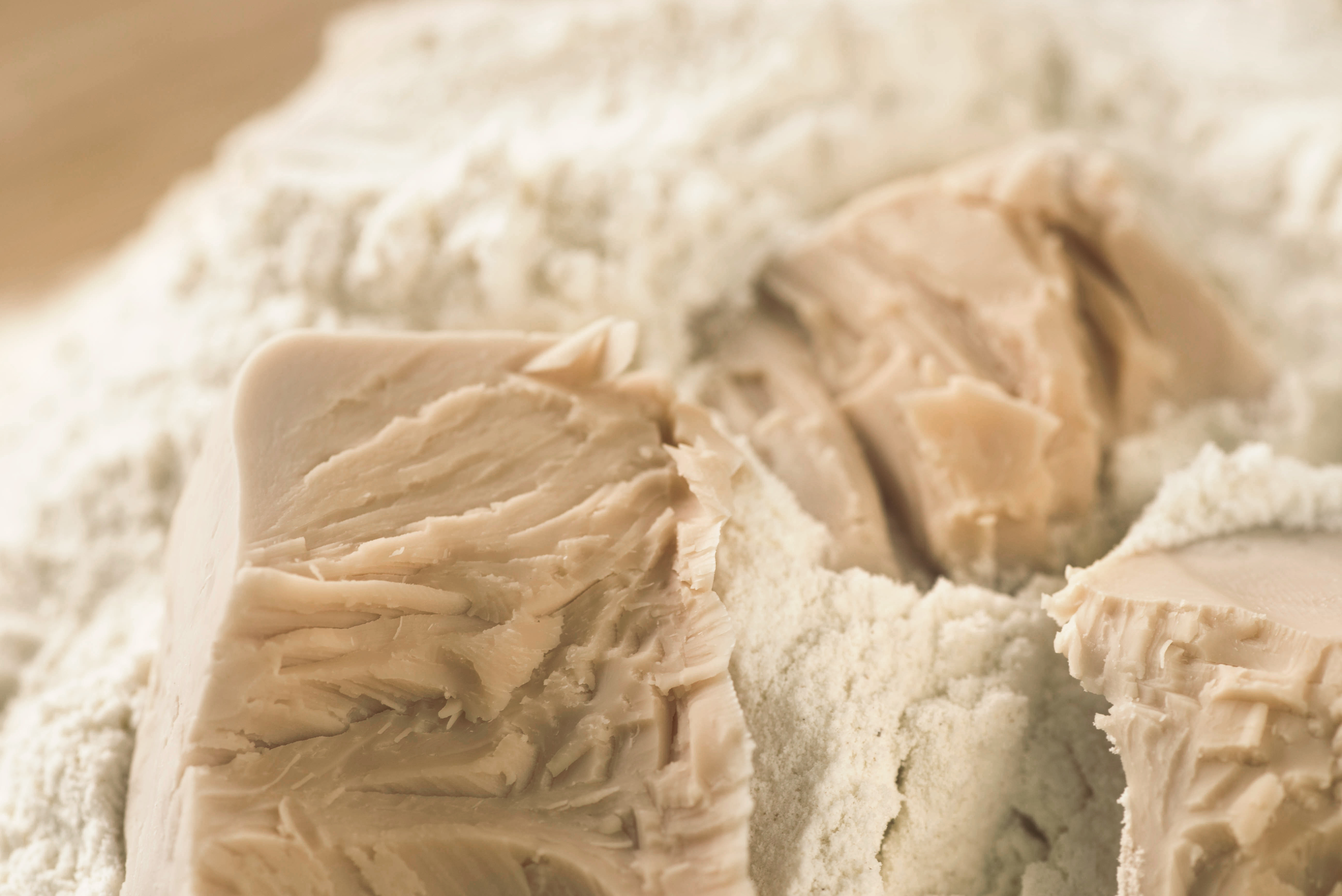
Yeast is the source that has been most extensively studied from a scientific and pharmacological perspective.
Beta-glucan derived from the cell wall of baker’s yeast has been used for decades in oral applications as an immunostimulant. Its efficacy has been demonstrated in numerous studies. However, it was not suitable for use in cosmetics because it is soluble in neither water nor oil.
In 1994, Mibelle Biochemistry succeeded in developing a water-soluble version of beta-glucan suitable for topical applications: CM-Glucan. Numerous clinical studies have demonstrated the benefits of CM-Glucan on either very sensitive skin or skin exposed to extreme stress, such as following aesthetic procedures.
The dermatology and consumer landscape is shifting. Long-term routine building is replacing quick‑fix behavior. Consumers are more scientifically literate and increasingly skeptical of unsubstantiated marketing claims.
According to the Boots 2026 Beauty and Wellness Trends Report, 80% of adults now treat skincare as a long-term health investment, and nearly half adjust routines specifically to manage sensitivity. Beta‑glucan’s profile aligns directly with these needs: multi‑mechanistic hydration, immunomodulation, antioxidant capacity, wound healing and barrier repair. Yet it is more versatile than almost any other active ingredient: from sensitive, sun-damaged skin or baby skin to skin affected by atopic dermatitis or following cosmetic treatments.
Unlike many recently hyped cosmetic actives, beta‑glucan’s clinical literature predates its trend moment by more than three decades. Its safety, tolerability, and biological relevance make it a low‑risk, high‑evidence ingredient in modern formulation.

CM-Glucan Granulate: a biologically active ß-glucan derivative that maintains the same biological activity as ß-glucan, is a highly purified single molecule and also water-soluble.
- Increases the skin's self-protecting capacity
- Accelerates skin recovery
- Restores the skin's moisture barrier
CM-Glucan Forte is a special Beta Glucan from baker’s yeast (Magnesium Carboxymethyl Beta-Glucan). This single molecule product is designed to rebalance the immune system of the skin, soothe irritations and strengthen the skin barrier.
- Soothes irritated skin
- Calms sensitive and itching skin
- Alleviates symptoms of atopic skin in less than one week
- Personal trainer to strengthen sensitive skin
See also: Cosmetics Business reveals the top 5 skin care trends of 2026 in new report